
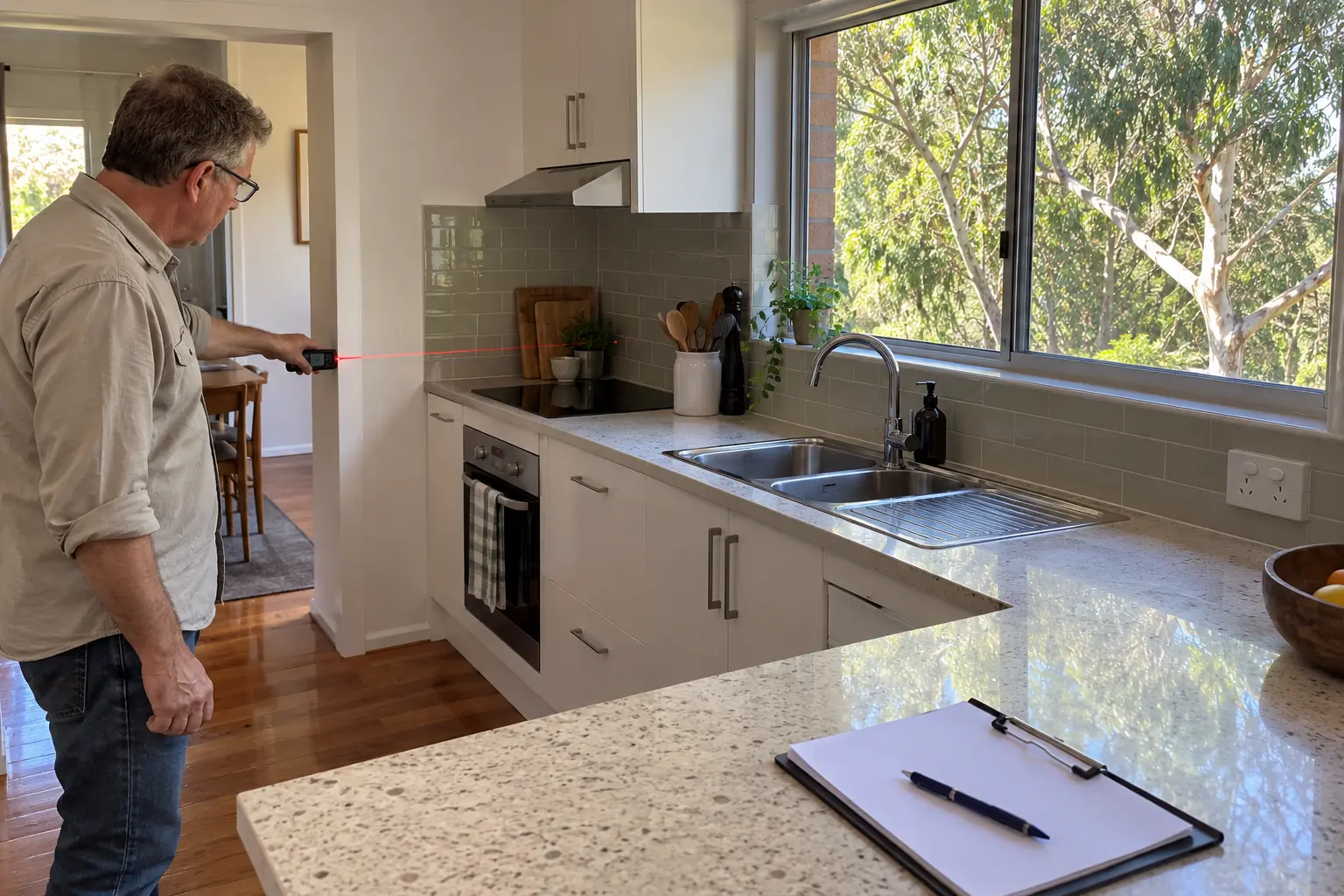
An independent valuation is a formal report from a qualified valuer that you, or your adviser, instruct directly. Unlike a bank valuation, the report is written for your purpose and you can rely on it. Unlike an appraisal or an online estimate, someone answers for it. The evidence is set out so another person can test it.
You usually need one when a figure has to stand up for tax, superannuation, a court or an estate. This guide covers when that is, what a good report contains, how to choose a valuer and how to brief them. It is general information, not legal, tax or financial advice.
When an independent valuation is needed
Tax. The Australian Taxation Office says you must obtain a market valuation of an asset when required by tax law. The valuation must be objective and supportable. Its common reasons include moving property between family members and starting to rent out your home.
Self-managed super funds. The ATO says SMSF trustees must value all fund assets at market value when preparing the fund's accounts. A qualified independent valuer is not needed every year for real property. But the ATO recommends one when the asset is a big share of the fund or hard to value.
Family law. When a relationship ends, the value of property is often central to the settlement. Parties often agree on a single expert valuer, and courts can appoint one. Both sides then rely on one report.

Deceased estates. Executors may need a value at the date of death. It helps with tax records, a fair split between beneficiaries or a sale to a family member.
Stamp duty and related-party transfers. Revenue NSW charges transfer duty on the higher of the price and the market value.
It asks for formal evidence of value when, say, the parties are related, there is no agent or nothing is paid. Its rules say that valuation must be by a suitably qualified person and must indicate that an inspection was undertaken. Other states have their own rules, so check with the revenue office where the property is.
Disputes and other purposes. Partnership splits, compulsory acquisition, insurance and pre-purchase advice on an unusual property are other common reasons.
What a good valuation report contains
The ATO lists what a tax valuation report must contain. That is the purpose and scope, details of the asset and the date it was done. It also needs any inspection date, whether it is retrospective, the basis of the value and the value itself.
In practice, a residential report from a qualified valuer will also include:
- the legal description, land area, zoning and condition, with photos
- the valuation method used, usually direct comparison with sales
- a list of comparable sales with addresses, dates, prices and how each was adjusted
- the market conditions at the valuation date
- the valuer's qualifications and a statement of independence
- any assumptions or limits, such as no inspection of hidden building defects
A report with no comparable sales or no reasoning is hard for anyone to rely on, you included.
Current and retrospective valuations
A valuation can be current, as at today, or retrospective, as at a past date. Retrospective valuations are often required for capital gains tax, and estates use them too. Think of a home's value on the day it was first rented out, or on the date someone died. The valuer uses sales from around that past date, not today's prices. Tell the valuer the exact date you need and why.

How to choose a valuer
Check qualifications. The Australian Property Institute says a Certified Practising Valuer (CPV) is qualified by education, training and experience to value real property. The API lists at least two years of valuation experience among its requirements. The API runs a public directory of property professionals.
Check state registration where it applies. In Queensland, a valuer must be registered with the Valuers Registration Board of Queensland. Other states have different arrangements, so check the rules for the state where the property is.
Check independence. The valuer should have no interest in the outcome and no connection to the people involved. For SMSF purposes, the ATO says the valuer should not be a member of the fund or a related party. The valuer should be impartial and unbiased.
Check local experience. Pick a valuer who works in your area and with your type of property, such as rural land, units or heritage homes. They will know the sales and the local quirks.
Ask about insurance and timing. Professional valuers carry professional indemnity insurance. Ask how long the report will take and whether an inspection is included.
What it costs and how long it takes
Fees depend on the property, the purpose and the location. Aussie, citing the Australian Property Institute's 2026 indicative fees including GST, lists $220 to $385 for a desktop valuation, $330 to $495 for a kerbside one and $440 to $880 for a full residential valuation.
A standard home costs less to value than rural, commercial or retrospective work. Realestate Lens puts a retrospective valuation at $500 to $1,000 or more. Court-ready expert reports cost more again.

At a glance, from the sources on this page:
| Item | Figure | Source |
|---|---|---|
| Desktop valuation fee | $220 to $385 | API 2026 indicative, via Aussie |
| Kerbside valuation fee | $330 to $495 | API 2026 indicative, via Aussie |
| Full residential valuation fee | $440 to $880 | API 2026 indicative, via Aussie |
| Retrospective valuation fee | $500 to $1,000 or more | Realestate Lens |
| Time to complete | 2 to 3 days | ANZ |
| Report length | 20 to 40 pages | Realestate Lens |
Ask for a written quote that names the purpose and scope.
What happens next
Not sure an independent valuation is the right number? See how it compares with the other four.
Compare all five numbersIndependent valuation when you sell
Nothing requires a seller to get a formal valuation, but some do before choosing an agent or setting a reserve. Queensland's guidance for sellers suggests an independent registered valuer. It warns against one tied to the seller or agent, which it calls a referred valuer. If you do use a referred valuer, find out what the relationship is before you rely on the report.
Independent valuation when the government acquires land
If a public authority compulsorily acquires your property in NSW, it engages its own valuer. The NSW Government recommends you get your own independent valuation as well. The two reports are exchanged and, where they differ, the valuers meet to try to reach agreement. Once the acquisition is settled, the authority pays agreed valuation fees if your valuer is suitably qualified.
The NSW guidance names three qualifications for this. The valuer must be a full member of the Australian Valuers Institute or the Australian Property Institute, or a chartered valuer with the Royal Institution of Chartered Surveyors. Discuss the fee with the acquiring authority before you engage anyone.

What to send the valuer
Your instructions form the basis of the contract with the valuer. Gather these before you call:
- your name, contact details and who the valuer is acting for, which is normally you
- the purpose of the valuation and the valuation date
- the property type, street address and legal description if you have it
- who to contact for access to the property
- any contract of sale and the agreed price
- the basis of value, usually market value unless your adviser says otherwise
- the agreed fee, the date you need the report and who else may read it
There is no set fee for a residential valuation in Queensland, so agree the fee before work starts. Ask for the quote in writing and confirm it covers the purpose you named. Will an auditor, a lawyer or the other side read the report? Say so in the instructions, because valuers often limit who may rely on a report.
Do not tell the valuer what figure you want. A valuer who is seen to be influenced is less credible, and a report that looks advocated for one side carries less weight.
Common mistakes
- Using a bank valuation for a legal purpose. It was written for the lender and you may not be able to rely on it.
- Using an online estimate for tax. It is not objective and supportable evidence on its own for most tax purposes.
- Getting the date wrong. A current value when a retrospective one is needed means paying twice.
- Ordering separate valuations in a family law matter without advice. Courts prefer a single expert where practicable, and a second report may need permission.
- Choosing on price alone. A cheap report that will not stand up costs more in the end.

Questions people ask
Can I use a bank valuation instead?
Usually not. A bank valuation is written for the lender, and you may not be able to rely on it for tax, super, a court or an estate.
How do I find a qualified valuer?
The Australian Property Institute lists Certified Practising Valuers, and Queensland keeps a register through the Valuers Registration Board. Check the valuer's credentials and insurance before you instruct them.
How long does an independent valuation stay current?
It describes the value on one stated date. If you need a later date, or prices in your area have moved, ask the valuer whether an updated report is needed before you rely on it again.
What happens next
Refinancing or buying? The lender will order its own valuation, whatever report you hold.
Read the bank valuation guideRelated guides
- Property valuation in Australia explains every number put on a home.
- Bank valuations covers what lenders order and why it may come in low.
- Automated valuation models explains online estimates.
Sources
12 references, checked 2026-10-25
- Australian Taxation Office, market valuation of assets
- Australian Taxation Office, guide to valuing SMSF assets
- Australian Taxation Office, verifying the market value of SMSF fund assets
- Australian Property Institute, Certified Practising Valuer
- Australian Property Institute, find a property professional
- Valuers Registration Board of Queensland
- Queensland Government, getting a property valuation for sellers
- NSW Government, getting your property valued (land acquisition)
- Realestate Lens, property valuation guide
- Aussie, property appraisals vs valuations
- ANZ, getting a property valuation
- Revenue NSW, how to calculate transfer duty