
A bank valuation is the lender's own assessment of what a property is worth as security for a loan. It sets your loan-to-value ratio (LVR). The LVR then decides how much you can borrow and whether you pay lenders mortgage insurance. It can even change your interest rate. The figure that sets your loan is the lender's valuation, not the price you agreed or an online estimate.
This page covers who orders a bank valuation and the kinds there are. It also explains why they often come in below the price, and what to do if yours does. It is general information only, not credit or financial advice.
Who the valuer works for
The lender instructs the valuer. Most lenders keep a panel of valuation firms and send the job through an ordering platform. The finished report is addressed to the lender and written for the lender's purposes.
That arrangement surprises many borrowers:
- You may pay, but you are not the client. You often pay the fee. The valuer still works for the lender. Some lenders cover the cost.
- You may not see the report. Some lenders share it, some share only the figure, some share nothing. Ask before the valuation is ordered.
- Each lender orders its own. If you move your application to another lender, expect a new valuation.
- You cannot pick the figure. Pressuring a valuer for a number is unwise and can lead the lender to set the report aside.

The kinds of bank valuation
AMP lists four methods lenders use, from most to least detailed.
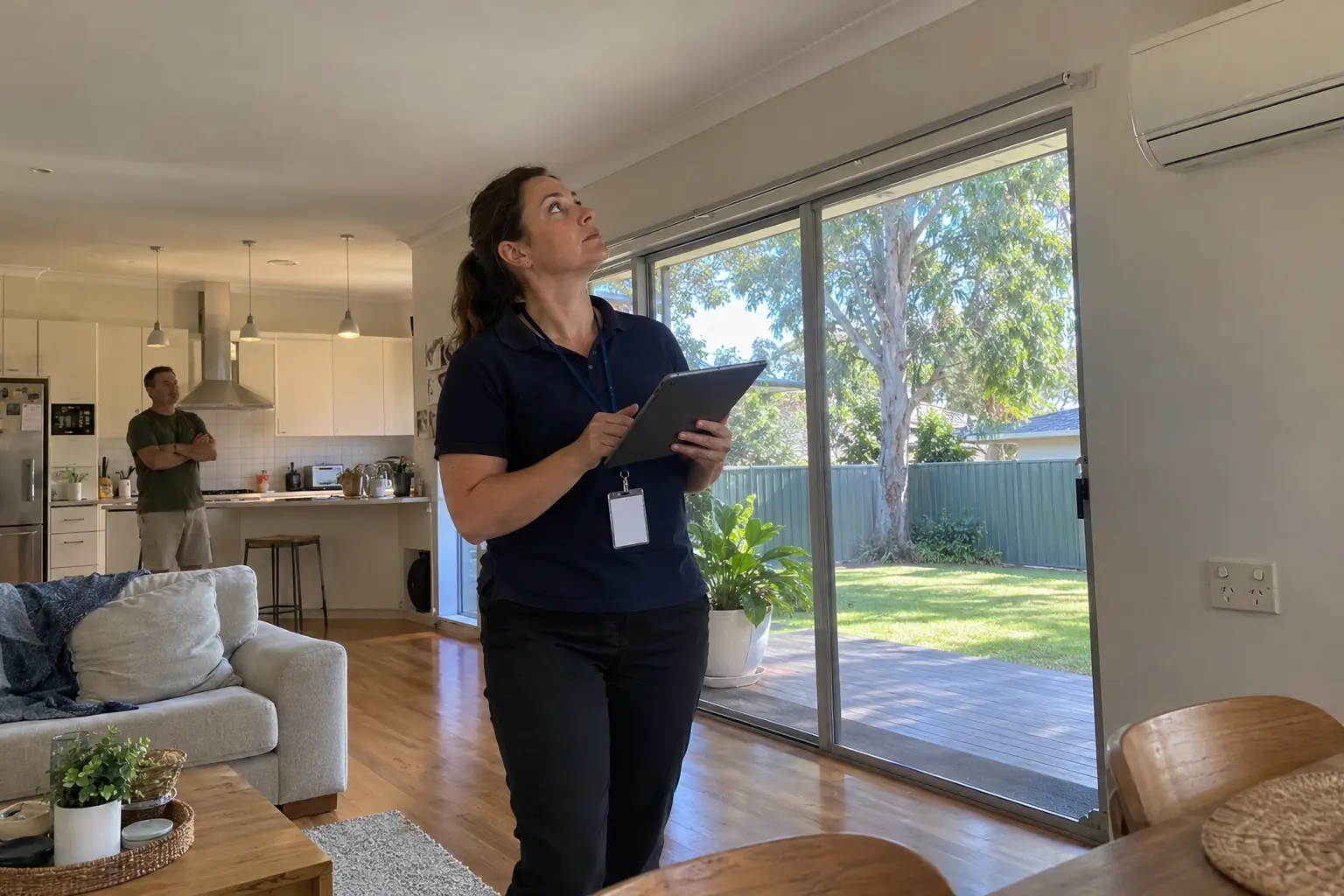
Full valuation. The valuer inspects the home inside and out. The report covers photos, age, condition and any zoning limits. AMP says this is usually used when the lender sees a higher risk.
Kerbside valuation. An inspection from the street, combined with recent sales data. The valuer does not see inside, so renovations and internal features may not be counted.
Desktop valuation. Based on comparable sales data without a physical inspection.
Automated valuation model. A system-generated, statistical valuation using the property's recorded attributes and comparable sales. Qantas Money Home Loans, for example, says it runs an AVM instantly if its technology can identify the property. If not, it moves to a desktop or full valuation.
Lenders choose the method based on risk. Qantas Money lists times it may need a full valuation. They include a deposit under 20%, a high-density apartment, a private sale and a new home no one has lived in.

How the valuer reaches a figure
NAB lists what lenders look at. That means location, condition, size and layout, recent sales, market conditions and zoning. In practice, valuers lean on direct comparison. They pick recent sales of similar homes nearby. Then they adjust for land size, rooms, condition, parking and position.
Most of the figure is decided by the comparable sales chosen. Pick three sales of smaller or older homes and the figure drops. Pick the street's renovated homes and it rises. That is why the most useful thing a buyer can do, if a valuation looks wrong, is find better comparable sales.
Why bank valuations often come in below the price
A short valuation, where the valuation is lower than the contract price, is common. Several things cause it:
- Competition at auction. Two keen buyers can push a price above what recent sales support. The valuer looks backward at sales; the bidders look at the house in front of them.
- A rising market. When prices are moving quickly, the last few months of sales lag behind current prices.
- Features the valuer discounts. Expensive renovations, pools and fit-outs rarely add their full cost to a valuation.
- Limited inspection. A desktop or kerbside valuation cannot credit an interior the valuer has not seen.
- The lender's caution. The lender wants a figure it could recover if it ever had to sell, which leans conservative.
What a short valuation does to your loan
Moneysmart explains that LVR is the size of your loan compared with the property's value. Its example: borrow $450,000 to buy a $600,000 home and your LVR is 75%. Lenders calculate it on the lower of the price and their valuation.
Here is how a gap plays out, using illustrative figures:
| Valuation matches the price | Valuation comes in short | |
|---|---|---|
| Contract price | $700,000 | $700,000 |
| Bank valuation | $700,000 | $660,000 |
| Deposit available | $140,000 | $140,000 |
| Loan needed | $560,000 | $560,000 |
| LVR | 80% | 84.8% |
At 84.8%, the borrower crosses the 80% line. Moneysmart explains that lenders mortgage insurance is usually payable when the amount borrowed exceeds 80% of the value of the property. To stay at 80%, the borrower would need to borrow no more than $528,000 and find another $32,000.

What to do if your valuation comes in low
- Get the details. Ask the lender for the figure, the type of valuation and, if possible, the report. Check land size, bedrooms, bathrooms, condition and anything the valuer may have missed.
- Gather comparable sales. Find recent sales of genuinely similar homes nearby, with addresses, dates and prices, that support a higher figure.
- Ask for a review through the lender. Reviews go through the lender, which decides whether to ask the valuer to reconsider. A review can confirm the original figure.
- Watch your finance deadline. If your contract is subject to finance, talk to your conveyancer or solicitor before the date passes.
- Rework the numbers. You might add more of your own money or borrow less. You could pay mortgage insurance or renegotiate the price. Another lender is an option, but it will order its own valuation.
A broker can compare how lenders treat the same home. But the valuation is the valuer's professional opinion. You cannot haggle over it like a price.

What happens next
Need a figure you can rely on yourself, not one written for the lender? An independent valuation is the next step.
Read the independent valuation guidePreparing for a full valuation
If the valuer is coming to inspect, a little preparation helps the report reflect the property fairly:
- Make access easy and be on time, or ask the agent to attend.
- Have a short list of improvements with dates and approximate costs, such as a new roof or kitchen.
- Note any approvals for extensions or granny flats.
- Mention recent comparable sales you know of, briefly and politely.
- Tidy, but do not spend money on cosmetic changes just for the valuation.
How long a bank valuation takes and what it costs
NAB says a bank valuation typically takes two to five business days after the inspection. The visit itself usually takes around 30 minutes to an hour. AMP says costs vary, quoting a range of $200 to $600, and notes that the bank may cover the valuation for you. A desktop valuation or AVM can be much faster, because no one needs to visit.

Refinancing and equity
Valuations matter after you buy, too. When you refinance or borrow against your home's equity, the new or existing lender orders a valuation to work out your current LVR. A higher valuation can open better rates or more borrowing power; a lower one can limit both. Refinance valuations are often desktop or AVM checks. If you have renovated, tell the lender. Its records may not show the work.
Questions people ask
What is the difference between a bank valuation and market value?
Market value is what a willing buyer and seller would agree on. A bank valuation is the lender's own view of that value. It is there to check the loan's security, so it is often more cautious than an agent's figure.
Can I see my bank valuation?
Ask your lender. Finder notes that the bank does not always tell the borrower what the final valuation is, so ask before the valuation is ordered.
What happens next if the valuation is fine?
If the figure supports the loan you applied for, the lender moves on to final approval. Keep an eye on any finance date in your contract until approval arrives in writing.
What happens next
Want to know how the bank figure compares with the estimate, appraisal and land value on the same home?
See all five numbers on one pageBank valuation, agent appraisal and online estimate
| Bank valuation | Agent appraisal | Online estimate | |
|---|---|---|---|
| Prepared by | A valuer instructed by the lender | A real estate agent | A computer model |
| Purpose | Loan security | Marketing and pricing | General guide |
| Inspection | Sometimes | Usually | No |
| Who can rely on it | The lender | Nobody formally | Nobody formally |
For the wider picture of every number that gets put on a home, read our property valuation guide. Need a figure you can rely on yourself, say for family law? See independent valuations. For instant estimates, see automated valuation models.
Valuation Explained does not value property, compare lenders or give credit advice. Talk to your lender, broker or a licensed adviser about your own loan.